Sustainable Same-Day Delivery in 2026: Faster, Greener, and Cheaper Than You Think
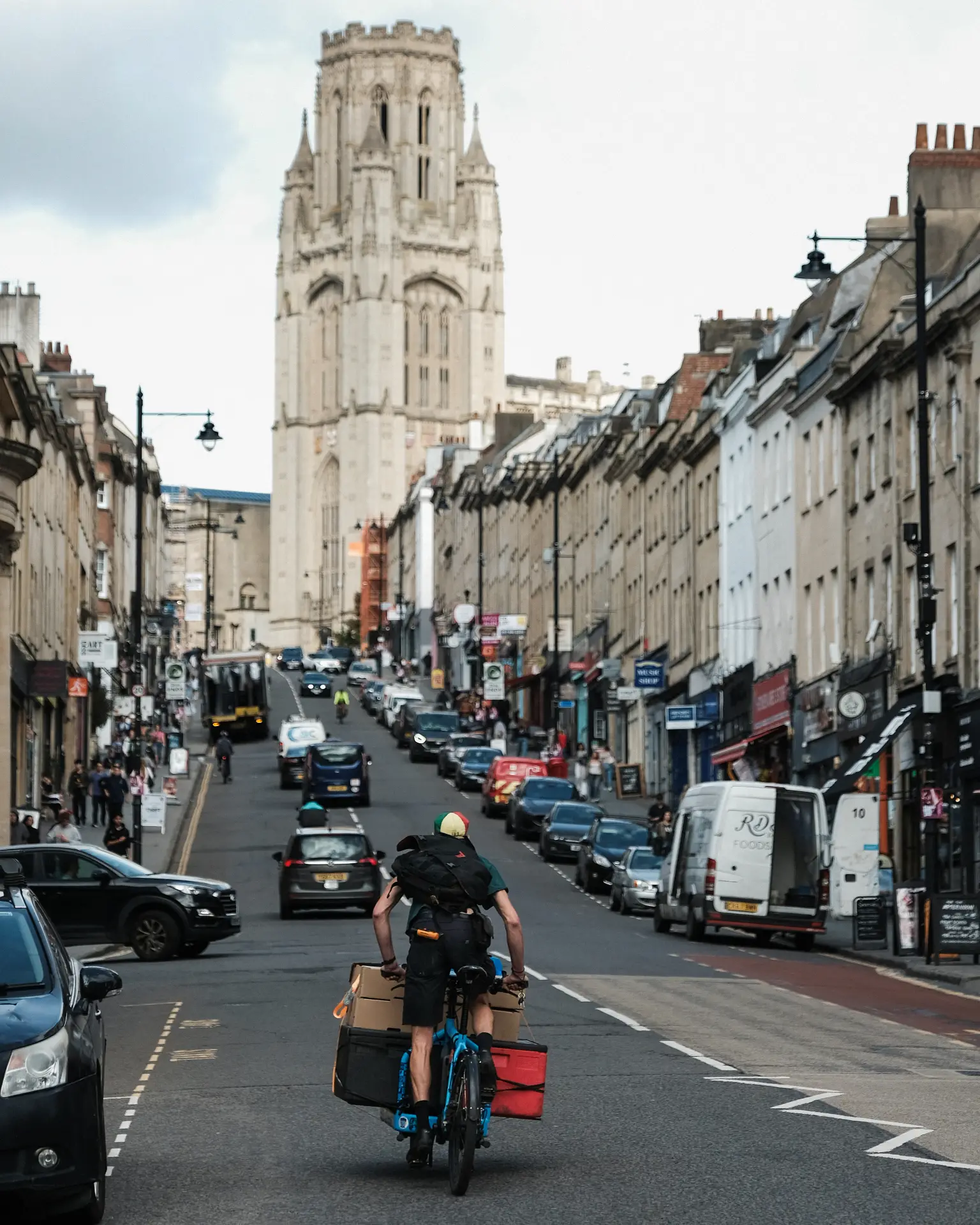
Sustainable same-day delivery means getting your item there today using low-carbon vehicles and efficient routing — and in 2026 it is no longer a trade-off against speed or cost. For years, "green" and "same-day" felt like opposites: if you wanted a parcel across the city in two hours, you accepted the diesel van. That's changed. Electric fleets, smarter routing and expanding clean-air zones have turned sustainable delivery into the option that is often faster, cheaper and more compliant than the diesel alternative it replaces.
Here's what that shift means for your business and how to make the most of it.
Why sustainable delivery finally makes commercial sense
The economics have flipped. Electric vans that were a niche experiment three years ago are now mainstream, with UK electric van registrations reaching roughly 30,000 in 2025. In 2026, green fleets and carbon reporting are becoming the norm across the courier sector rather than the exception.
Three forces are driving this at once:
- Operating costs. Electric vehicles cost less per mile, need less maintenance, and are exempt from many urban charges.
- Regulation. London's Ultra Low Emission Zone (ULEZ) effectively requires cleaner delivery vehicles inside the zone, and similar clean-air schemes are spreading to other UK cities.
- Customer demand. Around two-thirds of consumers now prefer a green delivery option, and increasingly your own clients need low-carbon logistics to hit their reporting targets.
The upshot: choosing a sustainable courier is no longer a goodwill gesture that costs you speed or money. It's frequently the smarter operational choice.
Speed and sustainability are no longer in conflict
The old assumption was that going green meant slower delivery windows. The data says otherwise. While around 66% of consumers say they want greener delivery, only about a third are willing to wait longer for it — so couriers have had to make sustainability work within same-day timeframes, not outside them.
Technology is how they've done it. Dynamic dispatch and route-optimisation software can trim route distance by up to 25% while improving on-time performance. Shorter routes mean lower emissions and faster drop-offs — the two goals reinforce each other. Add micro-fulfilment hubs positioned closer to delivery points, and the distance every parcel travels shrinks again. You can offer customers a genuine same-day service that also cuts your delivery carbon footprint.
What to look for in a green same-day courier
Not every courier claiming to be "eco-friendly" is measuring anything. Before you commit, ask:
Is the fleet actually electric, or just "offset"?
Offsetting has its place, but a genuinely low-carbon delivery reduces emissions at the source. Ask what proportion of the fleet is electric or zero-emission, especially for urban runs where the impact is greatest.
Do they provide carbon reporting?
In 2026, carbon reporting is becoming standard, not premium. If your organisation has sustainability targets, you'll want per-delivery or per-account emissions data you can drop straight into your own reports — saving significant work.
Are they compliant inside clean-air zones?
If you send into London or other clean-air cities, a compliant electric fleet avoids charges and delays. The UK government's transport decarbonisation plan signals these zones will expand, so choosing a courier already built around them protects you from future disruption.
Do they use route optimisation?
Efficient routing is where sustainability and reliability meet. A courier investing in dispatch technology delivers faster and greener — and passes those savings on.
The sectors feeling the benefit first
Some industries are moving faster because their clients or regulators demand it. Legal and financial firms increasingly need an audit trail that includes sustainability credentials — a natural fit for a dedicated business courier running a clean fleet. Healthcare and pharmaceutical deliveries benefit from electric vans that qualify for city-centre access without compromise. And e-commerce retailers, under pressure to offer carbon-aware checkout options, can promise same-day dispatch without undoing their environmental messaging.
How to make the switch without disruption
Moving to a greener courier doesn't mean tearing up your logistics. Start by mapping your highest-volume routes, especially any through clean-air zones — these deliver the biggest cost and emissions savings when switched first. Ask your courier for baseline carbon data so you can measure improvement; you can't report on progress you haven't measured. Align your delivery promise with your marketing — if you're now using a low-carbon service, tell your customers. And review quarterly, because electric fleet coverage and low-emission zones keep expanding.
The bottom line
Sustainable same-day delivery in 2026 is no longer a compromise. Falling EV running costs, expanding clean-air zones and smarter routing have turned green logistics into the option that's often faster, cheaper and more compliant than diesel. For businesses that depend on speed but answer to customers and regulators on carbon, that's a rare win with no real downside.
Frequently asked questions
Is sustainable same-day delivery slower than normal delivery? No. Electric fleets and route optimisation mean green same-day delivery is completed in the same timeframes as conventional delivery — and shorter, optimised routes often make it faster.
Does green delivery cost more? Not necessarily. Electric vehicles have lower running costs and are exempt from many urban charges, so sustainable delivery is frequently cost-competitive with or cheaper than diesel alternatives, especially in clean-air zones.
What is carbon reporting for deliveries? Carbon reporting is per-delivery or per-account emissions data provided by your courier, which you can use in your own sustainability and ESG reporting. In 2026 it is becoming a standard offering rather than a premium extra.
Are electric courier vans available across the UK? Yes. Electric van adoption is growing rapidly, with tens of thousands registered each year, and coverage is expanding steadily beyond major cities.
How do I choose a sustainable courier? Check whether the fleet is genuinely electric rather than just offset, whether they provide carbon reporting, whether they are compliant in clean-air zones, and whether they use route optimisation to keep deliveries both fast and low-carbon.
Want same-day delivery that's kinder to your carbon footprint? Talk to Send It Direct about low-carbon delivery for your routes.